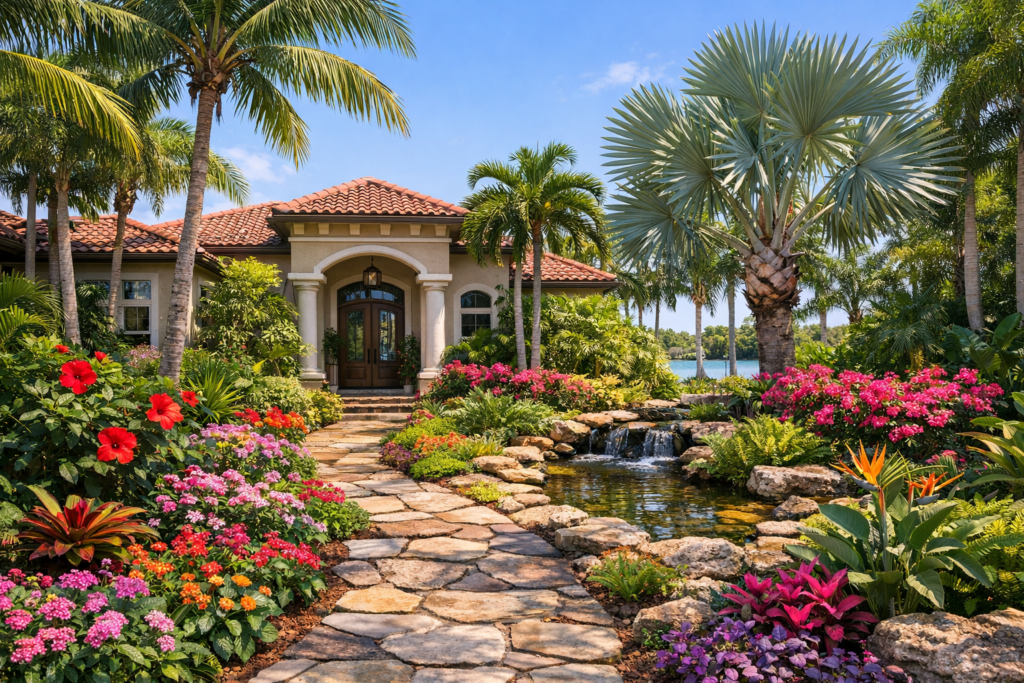
Many Florida homeowners enjoy lush lawns and vibrant gardens. The warm climate allows plants and flowers to thrive year-round. However, when storms, theft, or accidents occur, people often wonder if their homeowners’ insurance will protect these outdoor investments. Understanding what your policy covers can help you avoid disappointment after a loss. Insurance can feel confusing, especially when it comes to outdoor spaces. By learning the facts, you can safeguard your garden and make informed choices. Let’s explore how Florida Homeowners Insurance treats gardens and what steps you can take to ensure your plants’ protection.
Understanding What Florida Homeowners Insurance Covers
Homeowners’ insurance in Florida usually helps protect the physical structure of your home. The policy often covers the dwelling, personal belongings inside, and liability for accidents on your property. Most standard plans include some coverage for detached structures like sheds or fences, though the amount varies.
While coverage extends to parts of your land, it does not always protect everything outdoors. Many people assume their entire property is insured, but insurers set clear boundaries. For example, policies usually focus on protecting your house from fire, theft, wind, and other perils, not necessarily your plants.
You should always read your policy to see exactly what is included. Insurers in Florida often exclude certain natural events, like floods or hurricanes, from basic coverage. Even if your policy mentions “landscaping,” it may only cover trees, shrubs, and plants against specific risks. Knowing these details can save you stress and money when disaster strikes.
Examining How Policies Treat Outdoor Spaces and Gardens
Insurance companies often treat outdoor spaces differently from the house itself. Gardens, lawns, and landscaping sometimes fall under additional coverage known as “other structures” or “landscaping coverage.” However, in Florida, this coverage typically only pays out under limited circumstances.
For example, if someone vandalizes your garden or a car crashes into your yard, your insurer might help with the costs. On the other hand, storms, insects, and neglect usually do not qualify for reimbursement. Insurance companies often set a cap on how much you can claim for landscaping, such as a maximum payout per plant or an overall dollar limit.
Because Florida is prone to hurricanes and strong winds, many policies exclude damage from these events. Your garden may not be covered if a hurricane uproots your trees or washes away flower beds. If you want more protection for your outdoor spaces, you might need to purchase extra coverage or a specialized plan. Always ask your agent about the details before assuming your garden is safe.
Exploring Common Exceptions and Special Circumstances
Insurance policies contain many exceptions, especially when it comes to gardens and landscaping. Most insurers will not pay for damage caused by floods, even in Florida, where flooding can occur frequently. If your garden is lost to a flood, you will likely need a separate flood insurance policy for any hope of reimbursement.
Neglect and regular wear and tear are also common exclusions. If your garden dies from lack of water, poor maintenance, or pests, your insurance will probably not help. The same goes for gradual damage from wind or rain over time. Insurers tend to cover only sudden, accidental events, not ongoing issues.
There are some special circumstances where additional protection kicks in. For instance, if someone steals valuable garden ornaments or rare plants, you may be eligible for a payout, depending on your policy’s limits. Some insurers offer “endorsements” or “riders” that increase coverage for certain types of landscaping or garden features. Always review your policy documents and ask your insurance agent about special options for your specific needs.
Tips for Protecting Your Garden Under Your Insurance Plan
You can take several steps to improve your garden’s protection under your homeowners’ insurance plan. First, document your landscaping by keeping photos and notes about each plant, tree, and garden feature. If you ever need to file a claim, this information will help prove your loss and support your case.
It always pays to review your policy every year, especially after making changes to your yard or adding valuable plants. Talk to your insurance agent about any upgrades, and ask how your coverage applies to new garden features. You can also explore purchasing extra protection, such as a rider for rare plants, expensive ornaments, or irrigation systems.
Taking preventive action can also lower your risk. Install fences or cameras to deter theft and vandalism. Keep your garden healthy with regular care, and trim trees to reduce storm damage. When you invest in your landscaping, you protect not only your property’s beauty but also its value. Being proactive and informed is the best way to maximize both your garden and your insurance coverage.
Conclusion
Protecting your Florida garden involves more than just regular watering and pruning. Because standard homeowners insurance policies usually offer only limited coverage for gardens and landscaping, you should always know exactly how your policy treats your outdoor spaces. With Florida’s unique risks, such as hurricanes and floods, you may need to look at extra options to fully protect your garden investment. Reviewing your policy documents regularly and talking with your insurance agent helps you avoid unwanted surprises after an incident. Taking time to document your plants and features gives you solid proof if you ever need to make a claim.